




Peer violence is a common phenomenon among school-aged children worldwide, regardless of country and culture. It can take various forms, such as bullying, blackmail, or assault. Communication via internet technologies has also led to the emergence of cyberbullying and other forms of peer violence in the virtual world, especially since the beginning of the COVID-19 pandemic.
Definition and scale of the phenomenon
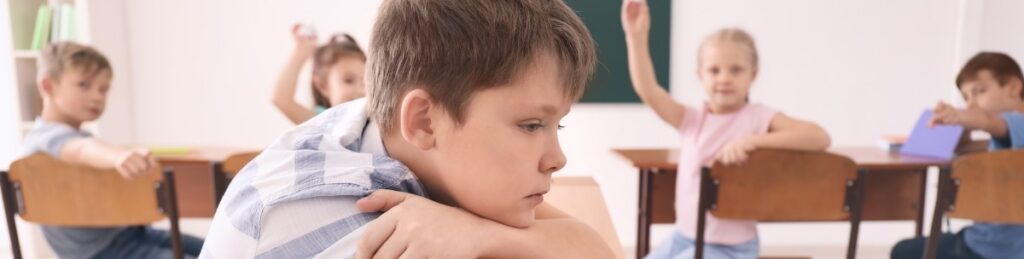
Peer violence is intentional and repetitive actions taken by one or a group of peers against another person, aimed at causing physical, psychological, or emotional harm. It is a hierarchical phenomenon in which aggressors use their advantage. It can occur both in and out of school, and its occurrence is conditioned by the individual characteristics of victims and perpetrators, the family environment, and the school climate.
Statistics on peer violence are incomplete, especially in the context of events outside of school. The report by the Empowering Children Foundation indicated that police data focuses on crimes committed in educational institutions, where in 2021 the most frequently recorded were:
- theft of someone else’s property (664 cases),
- burglary (275),
- bodily harm (260).
A nationwide diagnosis conducted by FDDS indicates that more than half (57%) of children and teenagers aged 11–17 have experienced peer violence in their lives, and 36% in the year preceding the study. The most common form was physical violence (42% of respondents experienced it at some point, 23% in the last year), followed by psychological violence, group assault, bullying, and dating violence.
This problem more often affects children from low socio-economic status families, people of different ethnic backgrounds, children with disabilities, those differing in physical appearance, sexual orientation, or gender identity. The school, its safety policy, and preventive actions play an important role in counteracting peer violence.
Signals in children
Children who experience peer violence may exhibit the following changes:
- become more withdrawn, sad, reclusive, stressed, tense, tearful;
- may complain of stomach or head aches, lose confidence, and avoid talking about school;
- often complain of feeling unwell in the morning due to stress;
- feel anxious about going to school, often say: “I don’t like school,” “I hate my class”;
- start skipping classes and have difficulty learning; come home with damaged clothes or books;
- may have bruises and scratches they can’t explain;
- come home hungry because they are robbed of food or pocket money or pushed out of lines;
- ask for extra money or take it without parents’ knowledge to pay aggressors;
- have trouble sleeping.
If you notice that a child’s behavior starts to change and there are worrying signs indicating that they may be experiencing peer violence, it is important not to downplay the problem. Avoid giving advice like “you have to be tough” or “hit back next time,” which can deepen the child’s sense of helplessness. Children experiencing violence often fear talking about their problems, fearing not only their parents’ reactions but also the worsening of the situation. In such moments, it is crucial to act with empathy and carefully plan support. It should be remembered that using violence against the perpetrators or their parents is not a solution – the most effective approach will be dialogue and a constructive approach.
What can parents do?
To help the child, parents must take additional actions, and they are:
- documenting all incidents reported by the child,
- meeting with the teacher, presenting the situation and asking about planned actions,
- regularly monitoring agreements with the teacher and the school to check if effective steps are being taken,
- in case of lack of effective actions from the school – talking to the principal,
- if the problem is not resolved, reporting the matter to appropriate institutions such as: Police, Student Rights Ombudsman, or Family Court,
- providing the child with psychological support,
- cooperating with parents of other affected children and, if possible, parents of the aggressors.
If your child has experienced peer violence and you are looking for support, check our help map.
How to support a child in dealing with a bully?
Every child deserves to feel safe and supported, especially during difficult times such as experiencing peer violence. It is important for parents to act consciously and consistently, working with teachers and the school to help the child regain a sense of security. One of the key elements is ensuring that the child is not blamed for what happened. They should know that they have every right to seek help.
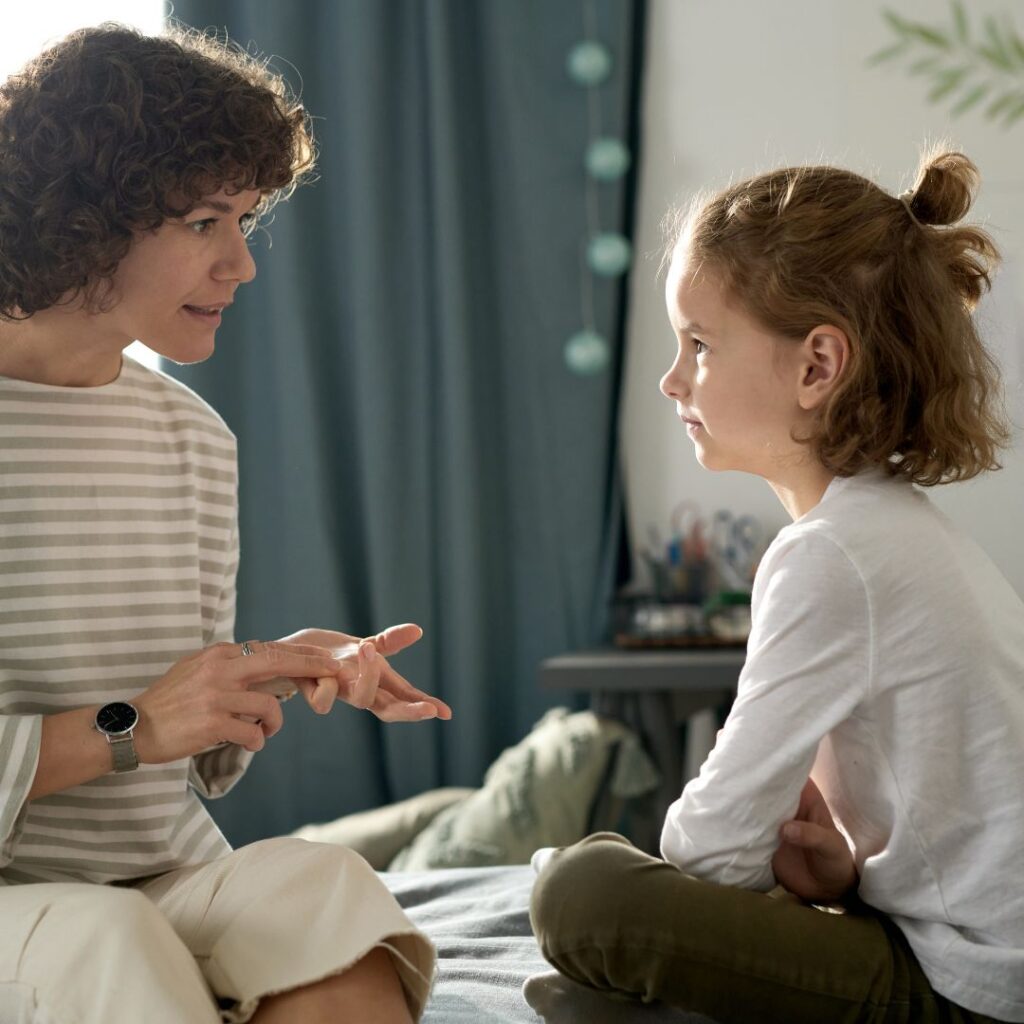
An important step is to support the child in building self-confidence – practicing body posture, eye contact, and a confident way of moving can help them feel stronger in difficult situations. You can also jointly develop a way to respond to taunts, which will increase the child’s readiness to cope in stressful moments. It is worth teaching them to avoid places where violence occurs and encouraging them to spend time with a peer group, which can reduce the risk of exposure to aggression.
It is equally important to develop a child’s social skills. Encouraging them to form relationships with peers and participate in extracurricular activities can improve their self-esteem and enable them to build healthy bonds. Strengthening a child’s self-worth also involves recognizing even the smallest successes, which gives them a sense of being appreciated. It is also crucial to teach the child how to bravely talk to adults about their problems – it is not about tattling, but about defending their rights and seeking support.